Practically speaking, gemstones are natural or lab created materials that have been cut and polished for use in jewellery. In a custom engagement or wedding ring, your precious gemstone becomes something worn often and lived with over time, becoming a romantic symbol of your relationship. Since it’ll be facing the daily pressures of your everyday life, it’s important that your gemstone is something durable, while still staying true to who you are.
This gemstone guide is for those exploring custom jewellery and wanting a clearer sense of how gemstones compare. We focus on visual differences, durability, pricing considerations, and how design choices affect the finished ring, so that you can choose your perfect stone with confidence.
Precious and semi precious stones can be used as centre stones or accent stones. Depending on their properties, they can add sparkle and individuality to your ring.
In our custom work at Alexis Gallery, centre stones usually fall into a small number of categories. The first are colourless stones, typically diamonds, which remain the most familiar option and are available as lab grown or earth mined.
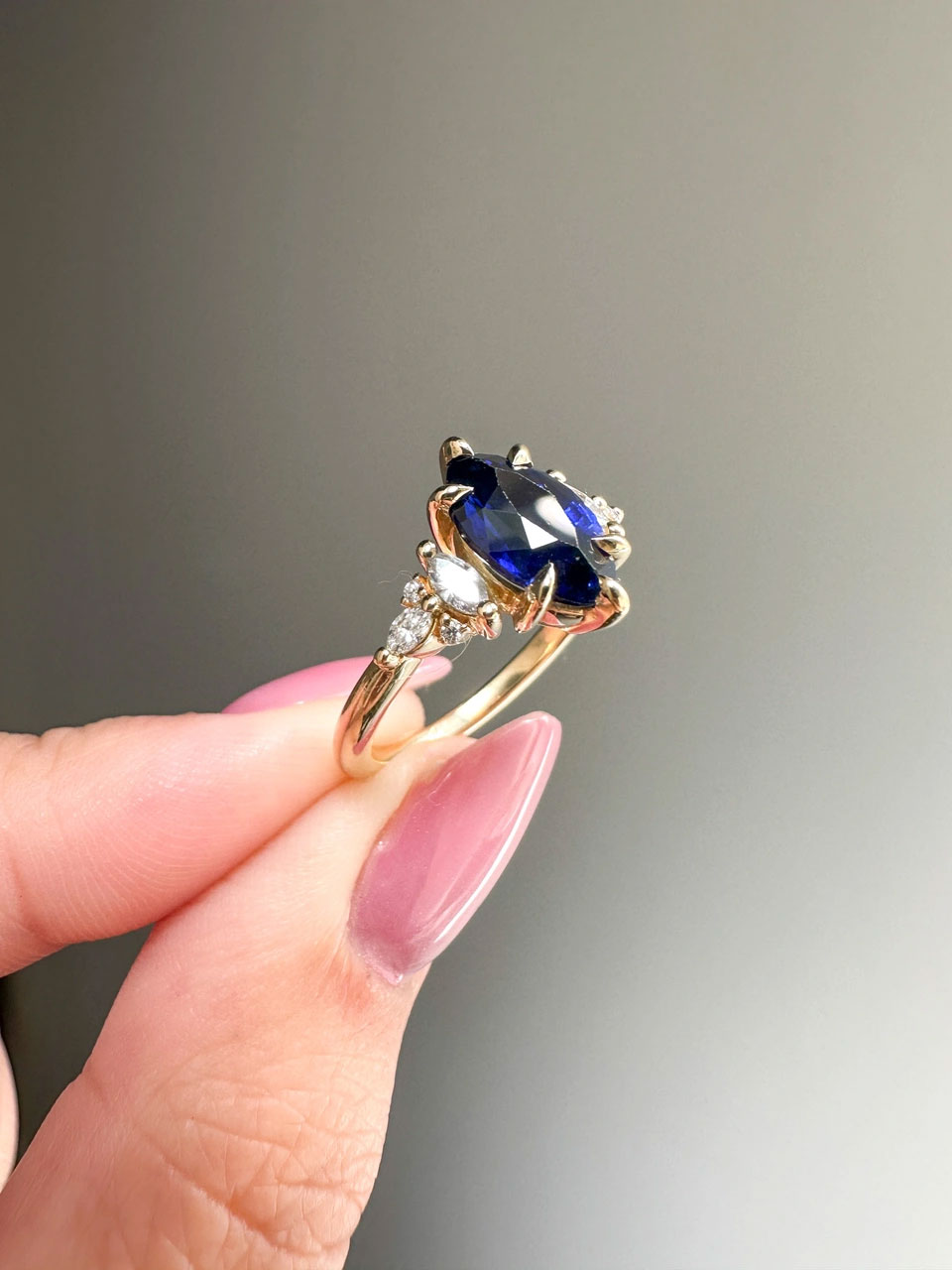
The second are coloured gemstones, with sapphires selected most often due to their durability and range of colours – think light blue sapphires, pink sapphires, and yellow sapphires for example.
When comparing gemstones, three practical considerations tend to guide the process. Appearance shapes the initial impression through colour, sparkle, and inclusions. Durability affects how the stone performs over time.
Suitability helps determine whether a gemstone works best as a centre stone or is better reserved for accent use.

Diamonds are known for their symbolism and familiarity, which keeps them central to engagement ring design. At Alexis Gallery, we work with earth mined and lab grown diamonds (which are visually identical), allowing the choice to rest on values and budget rather than appearance. Both options offer the same optical performance.
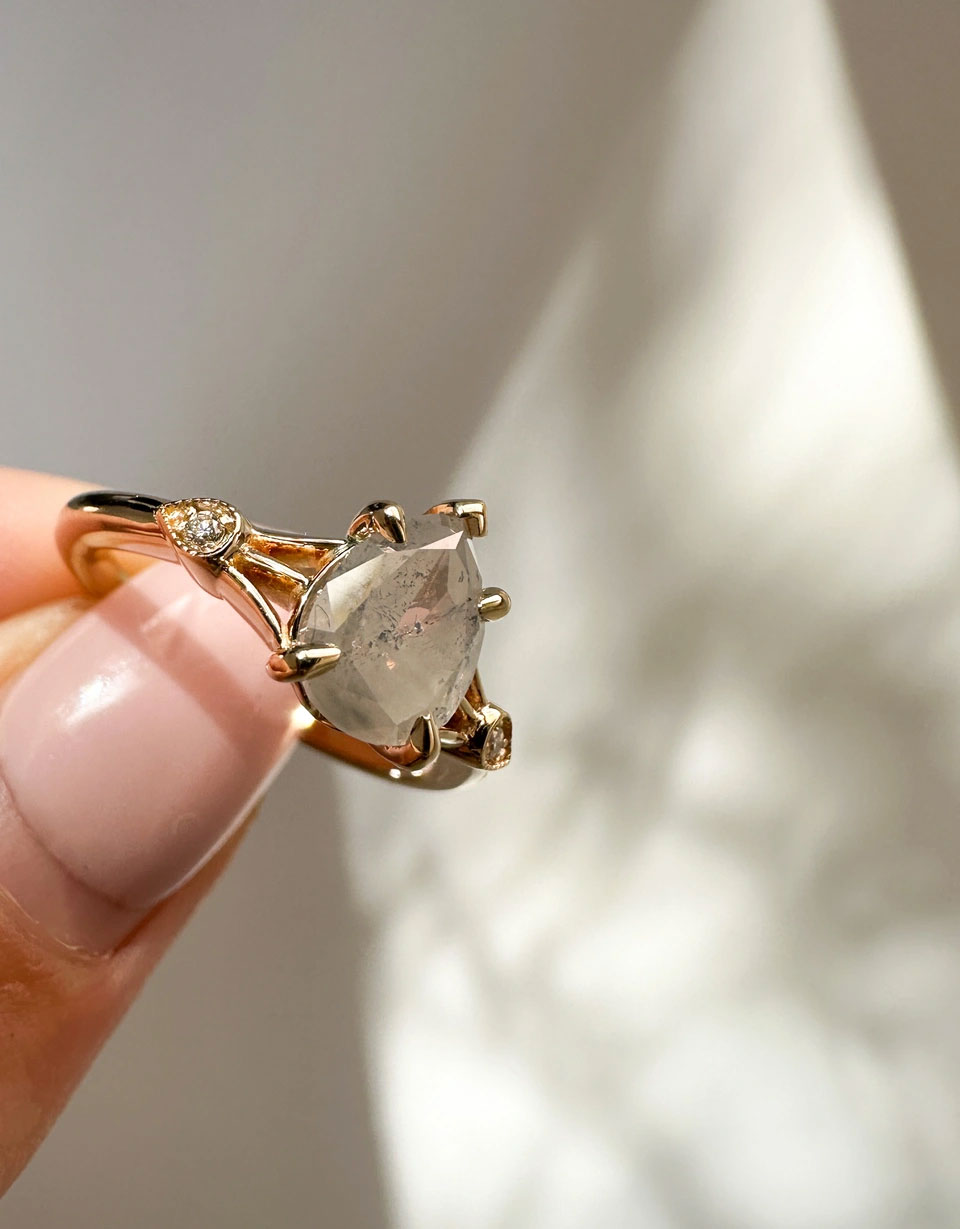
Jeweller’s Tip: If you’re looking for a diamond with more personality, note that black, grey and salt & pepper diamonds currently are only earth mined.
Lab Grown: Lab grown diamonds are created using advanced technology in controlled environments. Using HPHT or CVD technology, the diamonds ‘grow’ in a lab.
Earth Mined: Diamond mines are located around the world – there are even notable mines located in Canada.
Our earth mined diamonds are sourced through vetted, multi-generational partners that meet our standards for responsible practices and transparency. Canada has some of the strictest diamond importing regulations in the world.
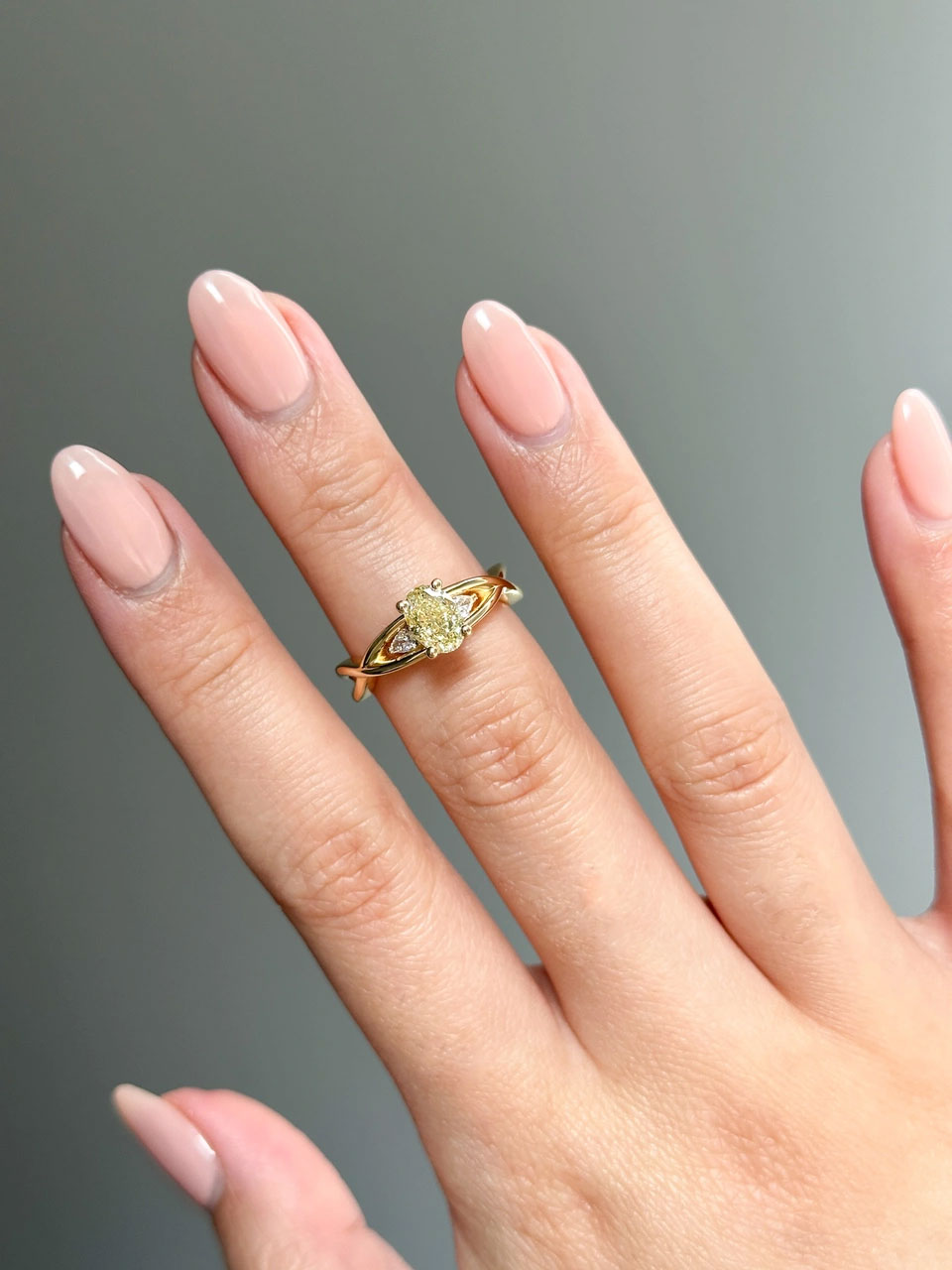
From colourless (white) to warm yellow, champagne, pink, blue and even green, grey, black, and brown.
Diamonds rank a 10 on the Mohs scale and are well suited to daily wear. They handle regular use with minimal concern for scratching or chipping. Annual cleaning and tension checks are included with every ring we create.
Jeweller’s Tip: Even though diamonds are the strongest material on earth, certain cuts can have weak points. Ensure that corners on cuts like pears, marquise or princess cuts are always covered by prongs or bezels.

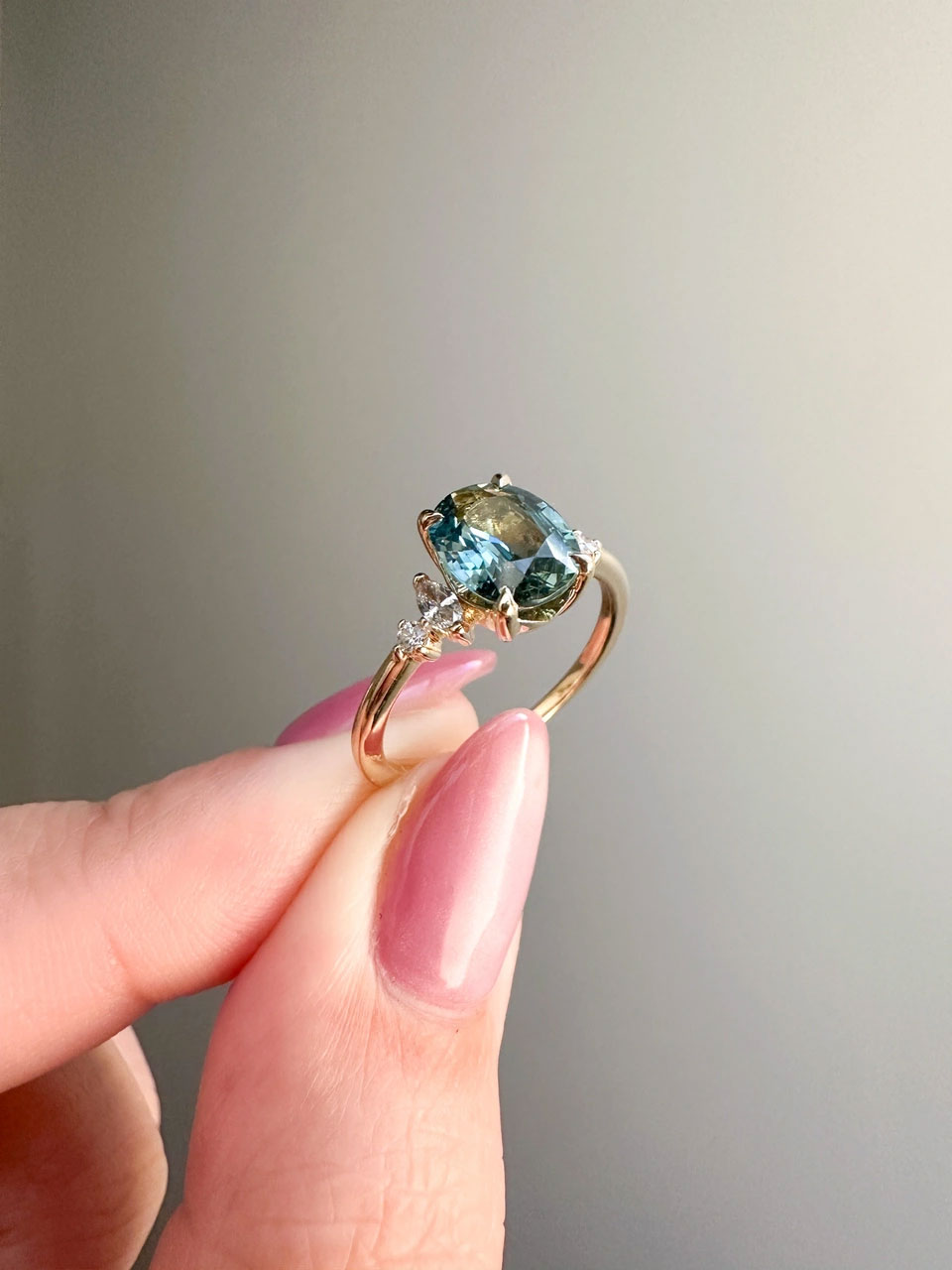
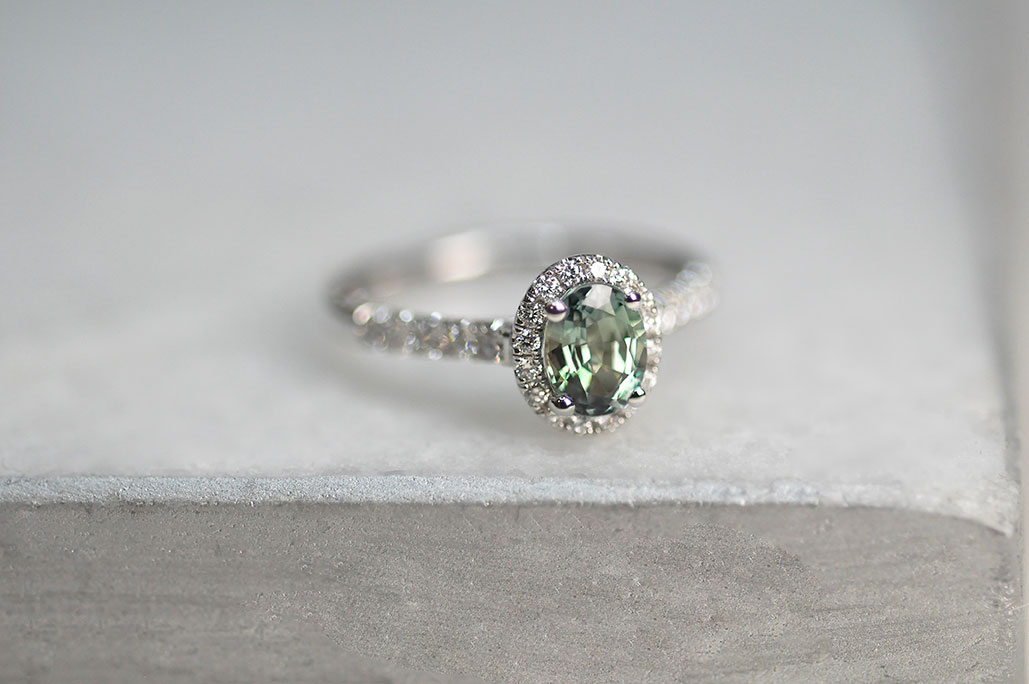
Sapphires are durable gemstones available in colours ranging from blue and teal to green and peach, and even white gemstones with opalescent hues! They are a beautiful stone for those drawn to colour without sacrificing longevity. Their look tends to feel more layered and deep than high-sparkle stones like diamonds.
We offer sapphires in both lab created and earth mined options through our ethical supplier partners.
Lab Grown: Lab grown sapphires are created in a controlled laboratory environment.
Earth Mined: Mined sapphires come from mines around the world – most notably, Sri Lanka, Madagascar, Thailand and Australia.
When working with Alexis Gallery, each stone is selected individually rather than pulled from standard inventory, which allows us to track down the perfect ‘unicorns’ in tone, saturation and shape.
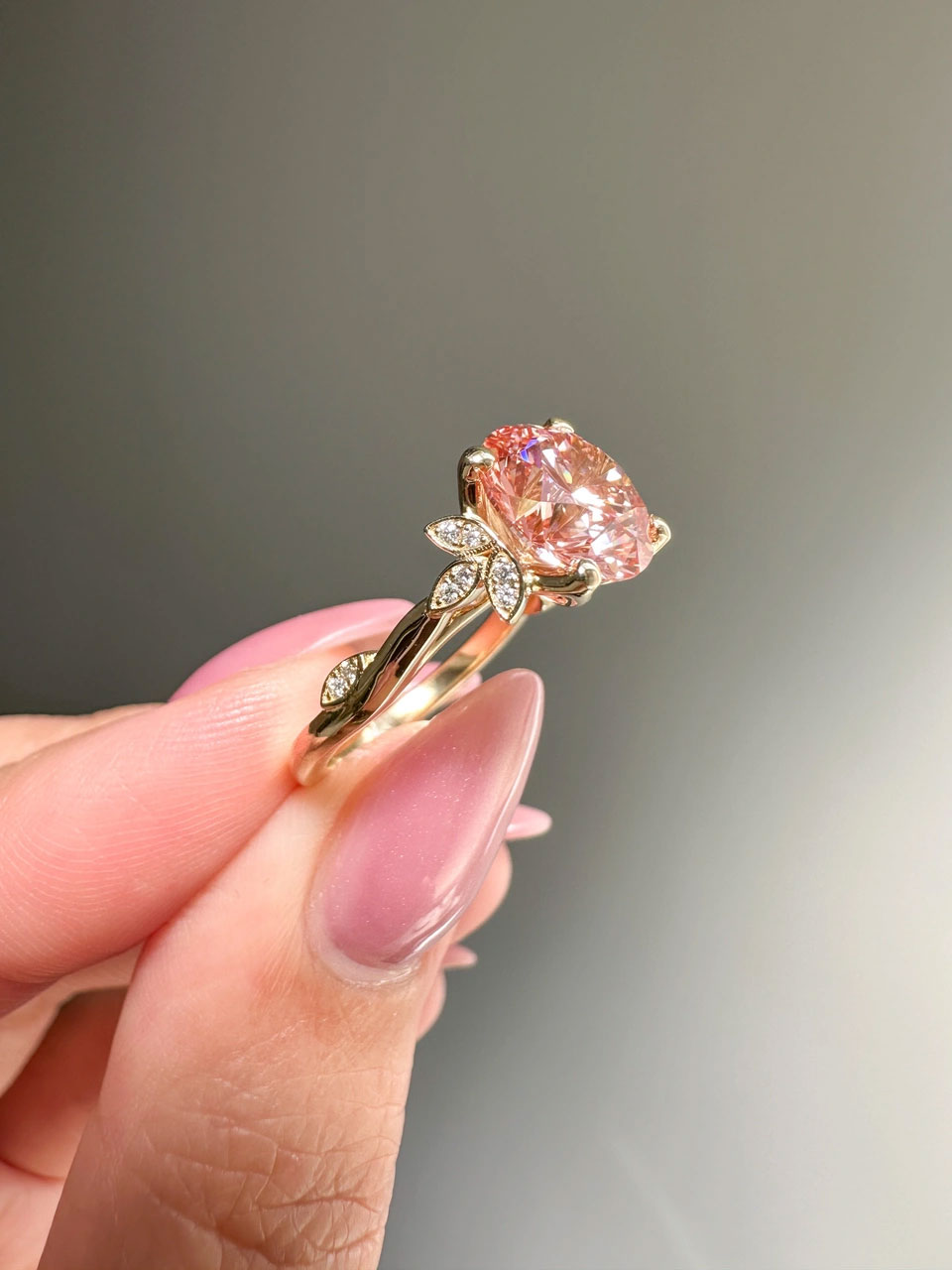
Blue, purple, teal, pink, yellow, orange with intensities ranging from deep and rich, to light and watery.
Jeweller’s Tip: If you love consistent colour, lab grown sapphires offer rich, vivid hues at a great value. If you favour nuance and unique colour variation (hello bi-colour), earth mined sapphires are for you.
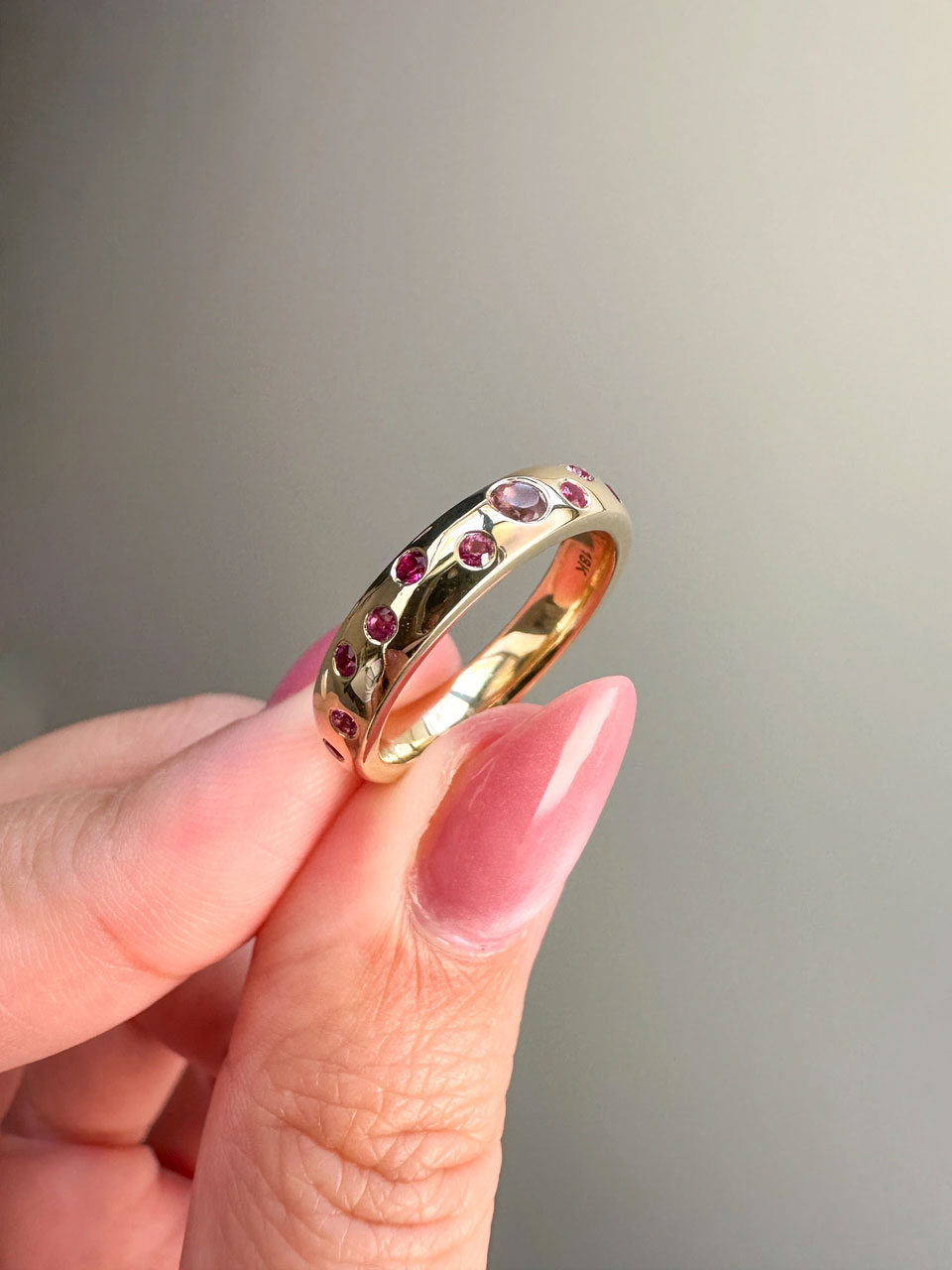
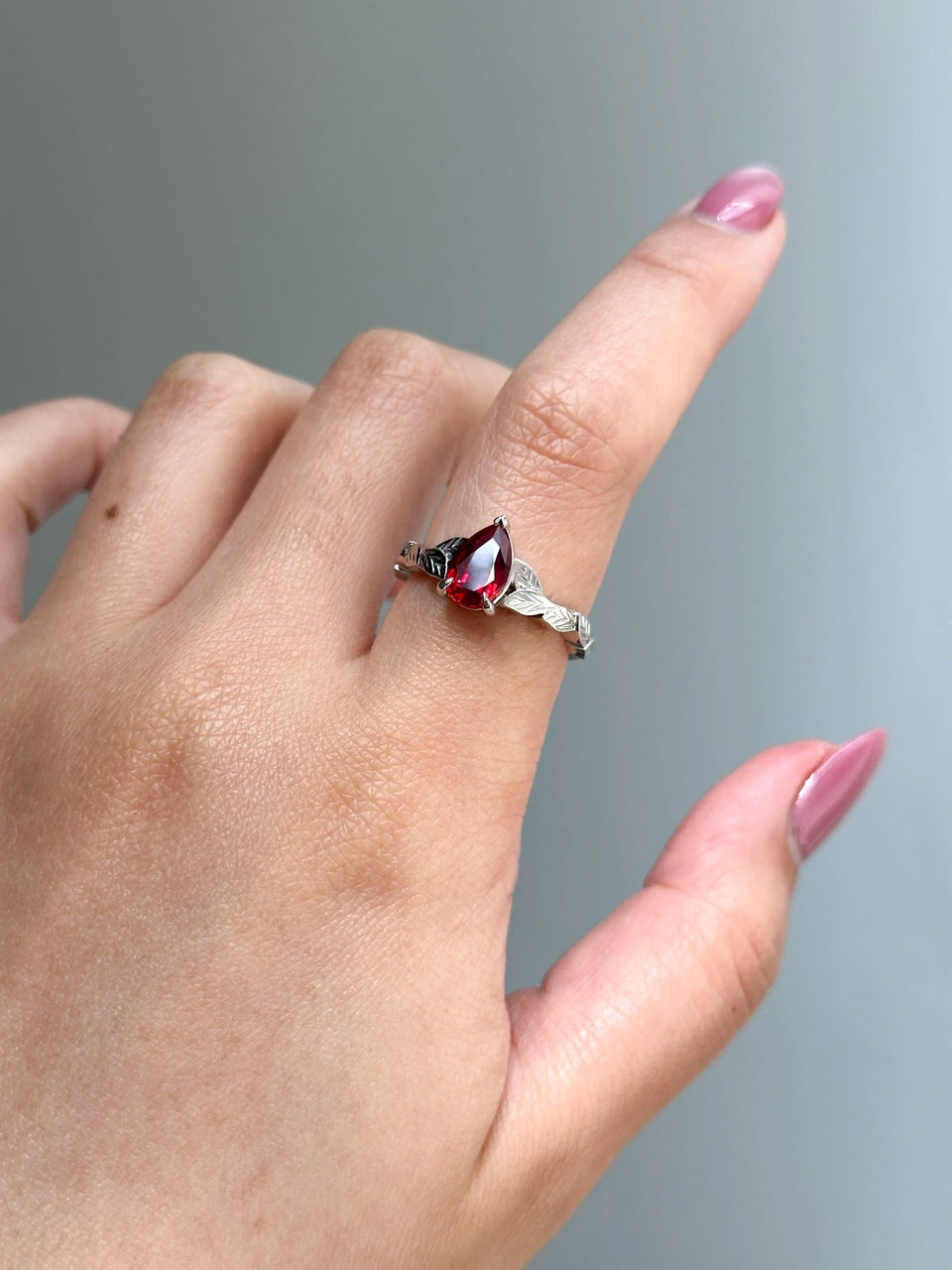
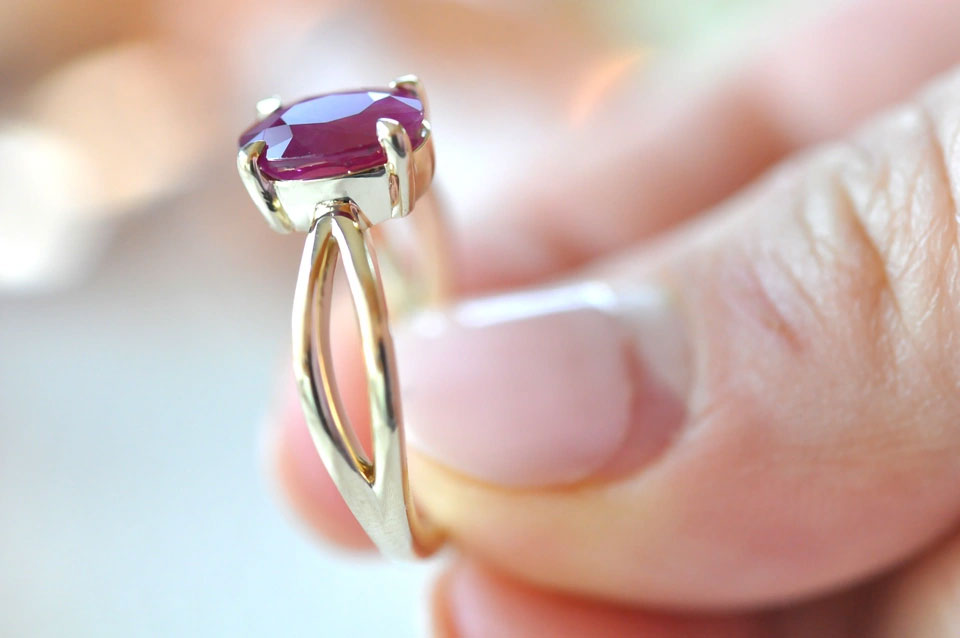
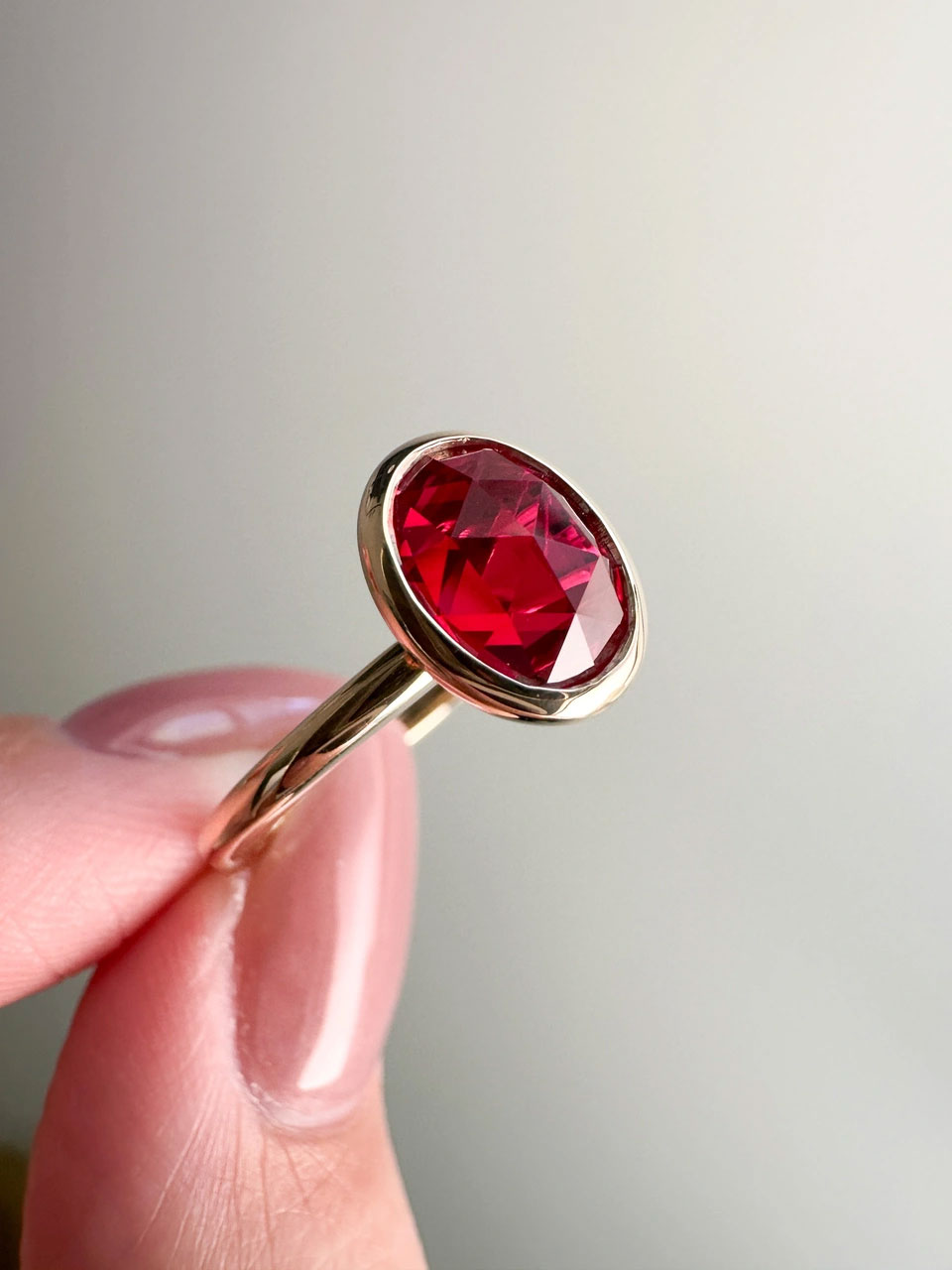
Lab Grown: Lab grown rubies are created in a controlled laboratory environment.
Earth Mined: Earth mined rubies come from around the world, namely Myanmar (Burmese rubies) known for their ‘pigeon blood red’ appearance, Mozambique and Sri Lanka. Each stone is selected for colour quality and overall balance rather than uniformity. Natural variation is part of what gives mined rubies their character and depth.
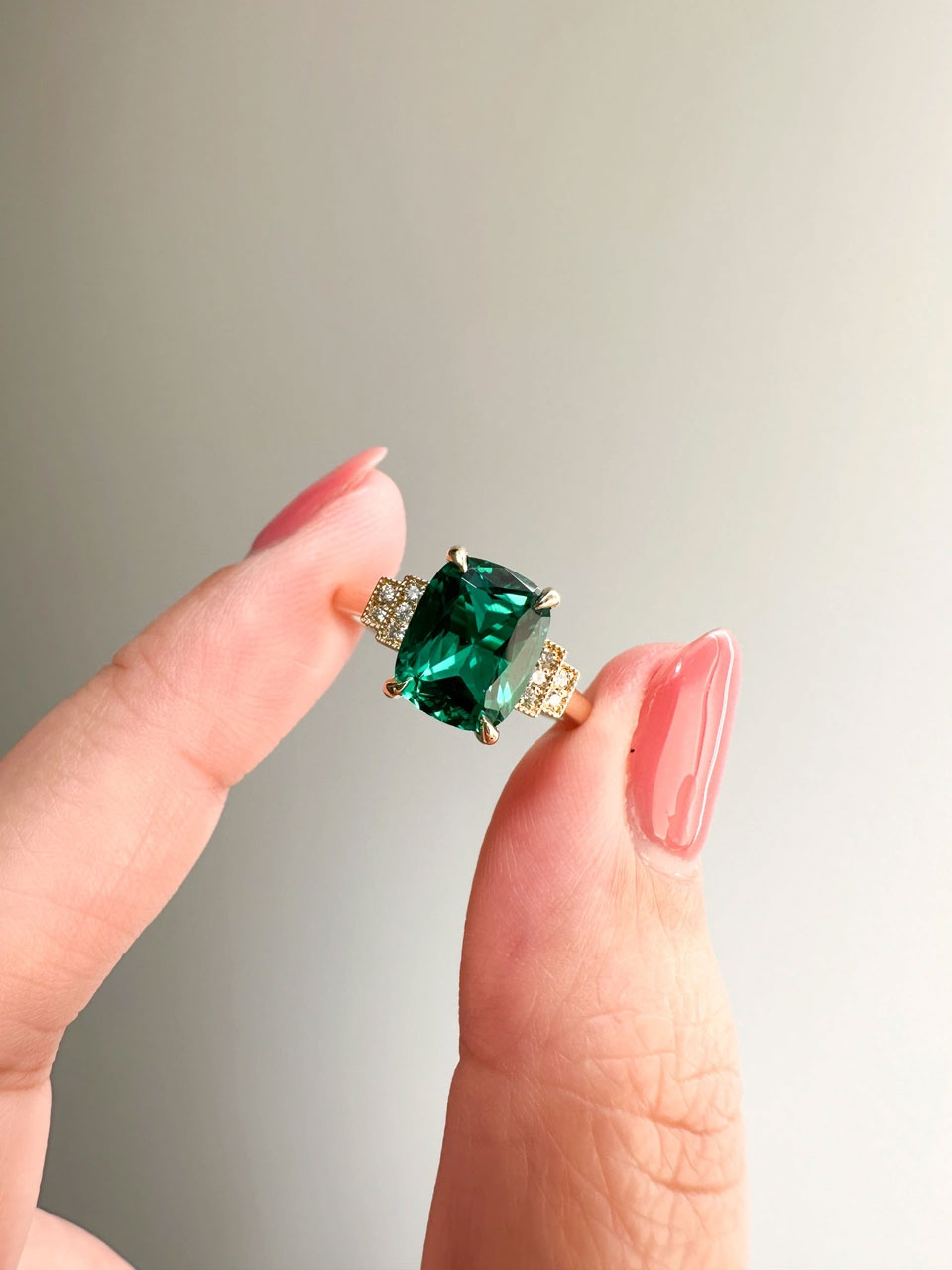
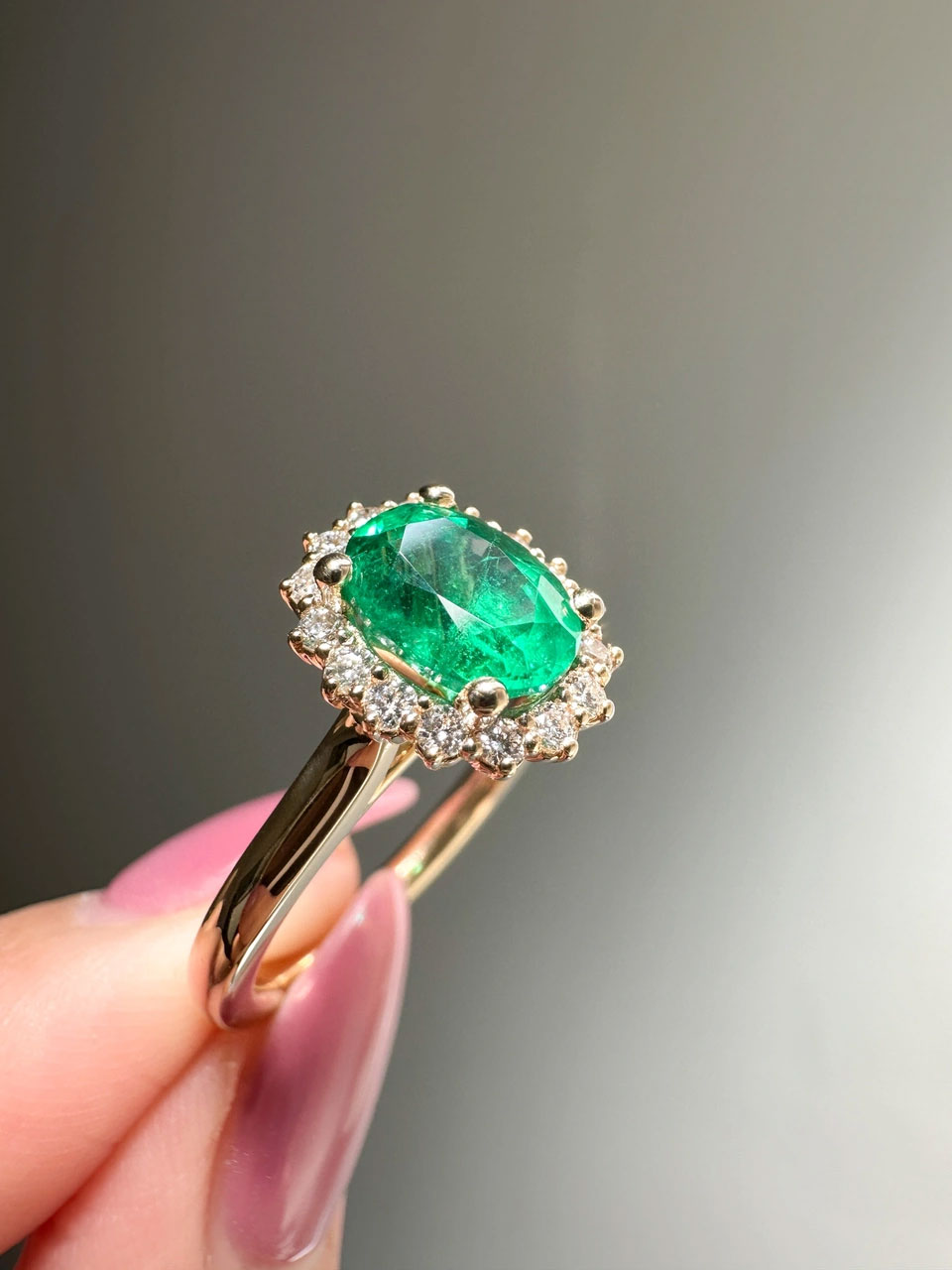
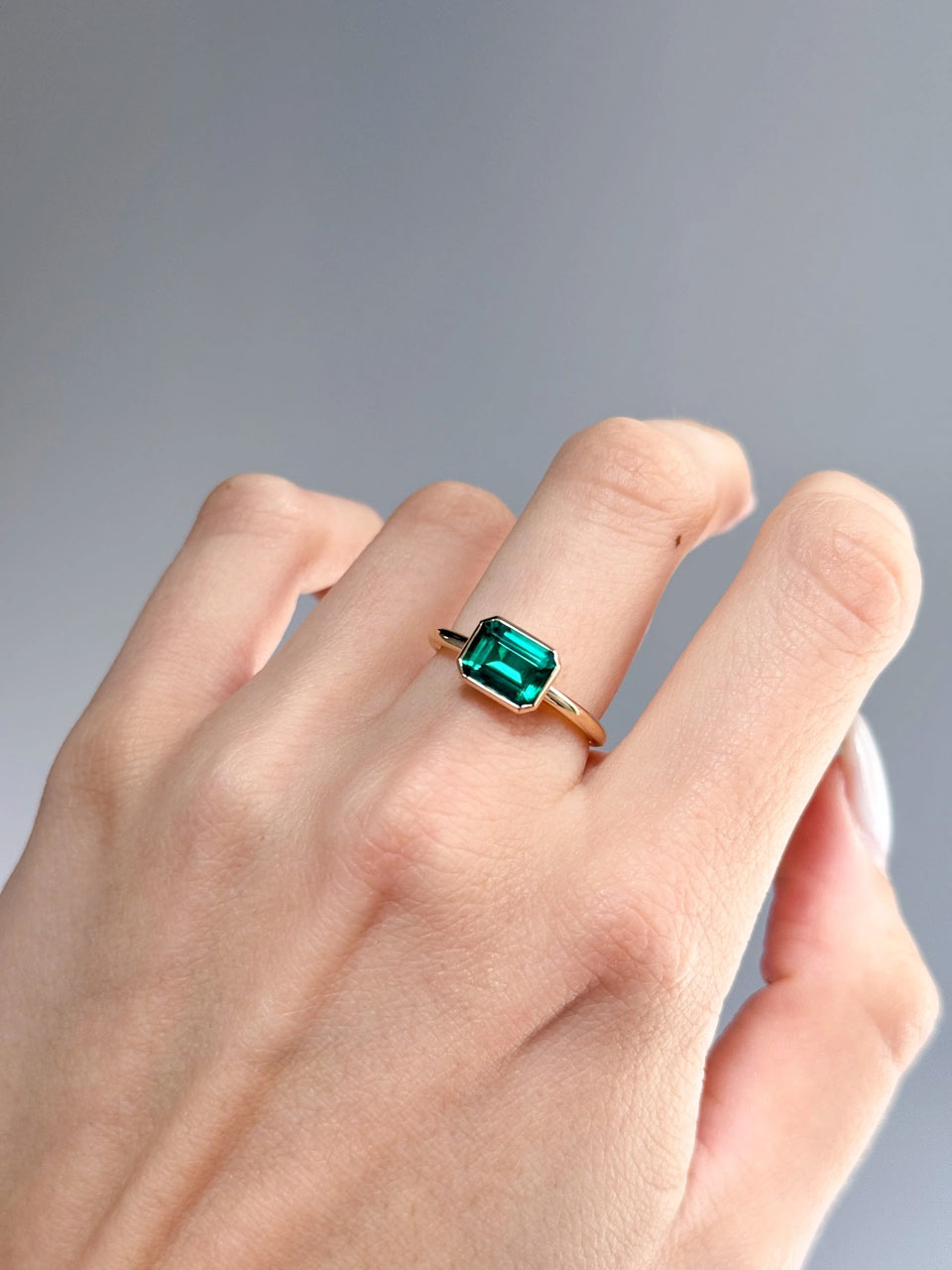
Emeralds are valued for their vivid green colour and natural inclusions, known as ‘Jardin’ which give each stone a distinct character. These features are part of what defines an emerald and are usually embraced rather than hidden. Emeralds suit designs that prioritize individuality.
Lab Grown: Lab grown emeralds are created under a controlled laboratory environment. Lab grown emeralds are typically free of inclusions and capture a consistent rich green colour.
Earth Mined: Our ethically sourced mined emeralds often come from the country most renowned for their emerald mines, Columbia.
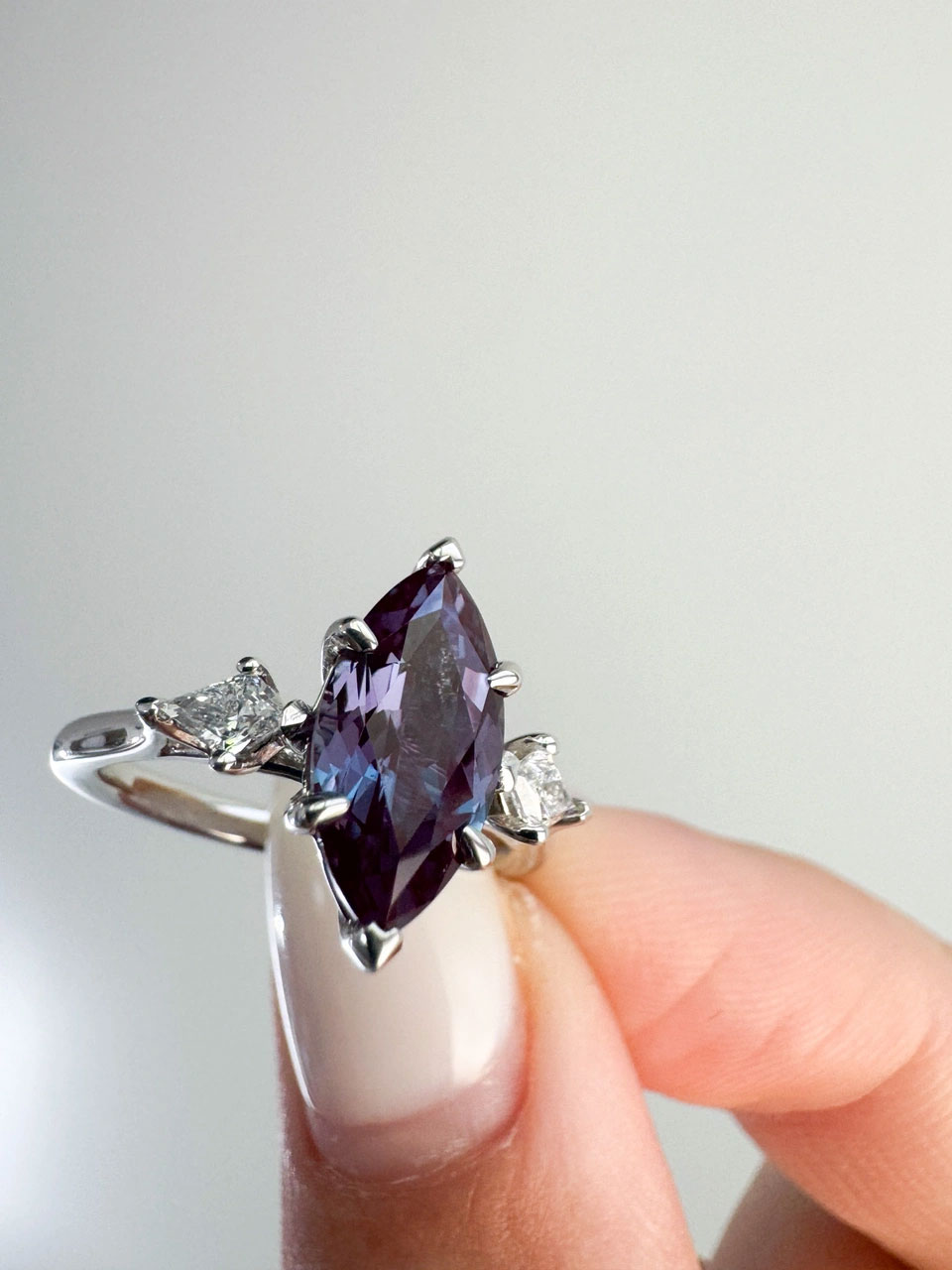
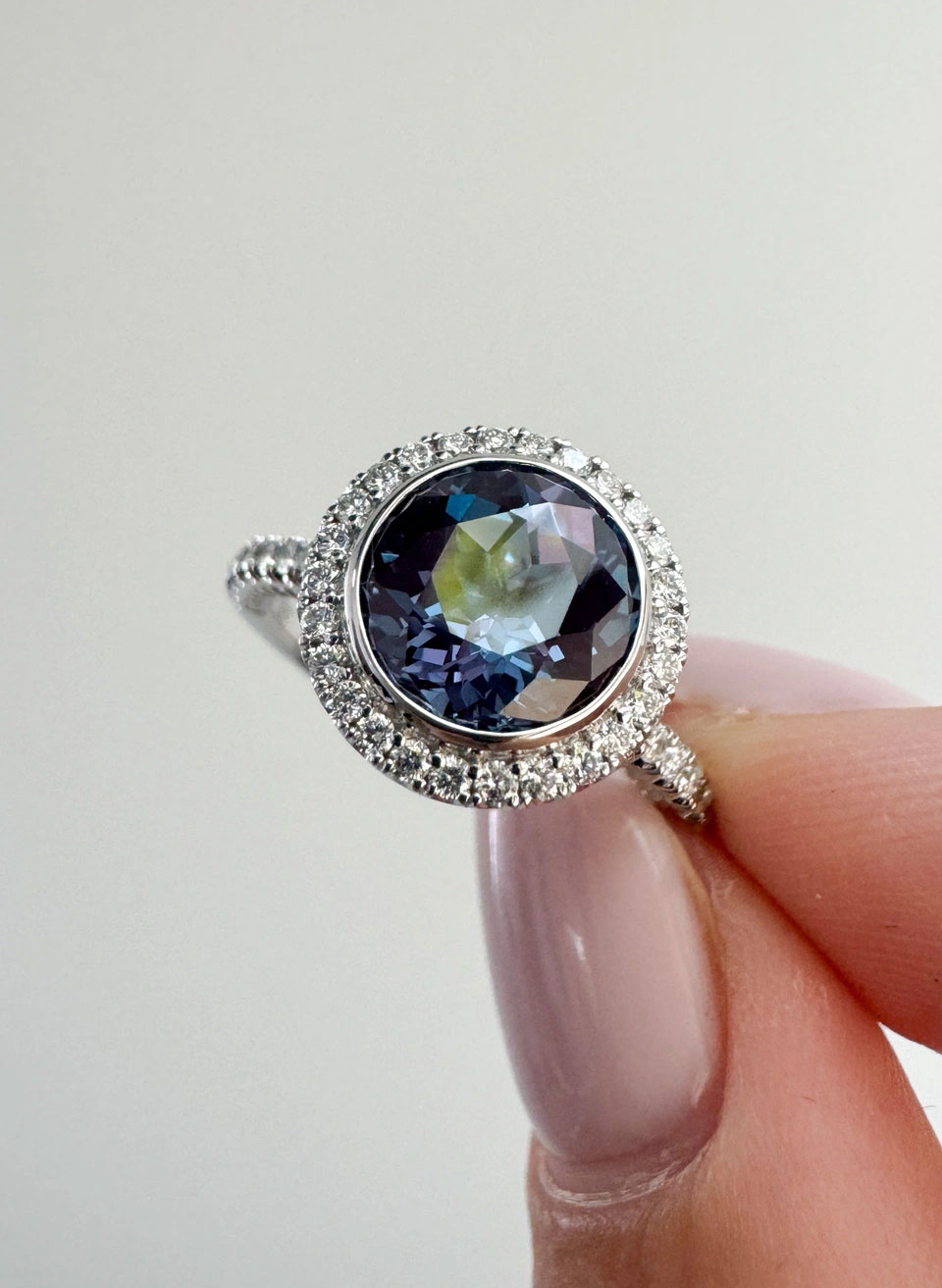
Lab Grown: Lab grown alexandrite is created under a controlled laboratory environment. Lab grown alexandrite’s colour leans more purple in nature.
Earth Mined: Earth mined alexandrite is very rare and sourced in very limited quantities. The most notable mines historically have been in Russia, Brazil and Sri Lanka.